 MSK
MSK
- About
- Browse Articles
-
Special Issues
- Pioneering strategies for overcoming bacterial drug resistance (2026)
- Advancing microbial engineering through synthetic biology (2025)
- Host-associated microbiome (2024)
- Bacterial regulatory mechanisms for the control of complex cellular mechanisms (2023)
- Two years into COVID-19 pandemic: Where are we? (2022)
- Collections
- For Contributors
- Policies
- E-Submission

- About
- Browse Articles
-
Special Issues
- Pioneering strategies for overcoming bacterial drug resistance (2026)
- Advancing microbial engineering through synthetic biology (2025)
- Host-associated microbiome (2024)
- Bacterial regulatory mechanisms for the control of complex cellular mechanisms (2023)
- Two years into COVID-19 pandemic: Where are we? (2022)
- Collections
- Policies
- For Contributors
Articles
- Page Path
- HOME > J. Microbiol > Volume 64(7); 2026 > Review
-
Review
Extracellular vesicles in human fungal pathogens: Biogenesis, functions, and translational applications -
Catia Mota1, Heeyoun Hwang1,*
 , Hyun Ah Kang2,*
 -
Journal of Microbiology 2026;64(7):e2606008.
DOI: https://doi.org/10.71150/jm.2606008
Published online: July 31, 2026
1Research Unit for Molecular Structure Data and AI, Korea Basic Science Institute, Cheongju 28119, Republic of Korea
2Department of Life Science, Chung-Ang University, Seoul 06974, Republic of Korea
- *Correspondence Heeyoun Hwang heeyounh@kbsi.re.kr Hyun Ah Kang hyunkang@cau.ac.kr
© The Author(s), under exclusive licence to Microbiological Society of Korea 2026
This is an Open Access article distributed under the terms of the Creative Commons Attribution 4.0 International License (CC BY 4.0) (https://creativecommons.org/licenses/by/4.0/) which permits unrestricted use, distribution, and reproduction in any medium, provided the original work is properly cited.
- 2,128 Views
- 104 Download

ABSTRACT
- Fungal extracellular vesicles (EVs) have emerged as critical mediators of fungal physiology, virulence, and host–pathogen interactions. Since their first description in Cryptococcus neoformans, EVs have been identified in several fungal species and shown to transport a broad repertoire of bioactive cargo. Increasing evidence indicates that fungal EVs participate in multiple biological processes, including cell wall remodeling, stress adaptation, biofilm formation, antifungal resistance, and modulation of host immune responses. Recent advances in cryo-electron microscopy, multi-omics approaches, and functional genetics have substantially expanded our understanding of the molecular mechanisms governing EV biogenesis, cargo selection, and extracellular trafficking. These studies have further revealed that EV cargo loading is a highly regulated process linked to intracellular proteostasis, glycosylation, lipid homeostasis, and environmental adaptation. In parallel, the intrinsic immunogenicity and structural stability of fungal EVs have highlighted their translational potential as diagnostic biomarkers, vaccine platforms, therapeutic targets, and nanoscale delivery systems. Given the increasing global burden of invasive fungal infections, this review focuses on EVs derived from clinically relevant human fungal pathogens. We summarize recent advances in EV biogenesis, cargo regulation, their roles in pathogenesis, highlight emerging translational applications, and discuss key unresolved questions and future research directions in the field.
General Concepts of Fungal Extracellular Vesicles
Biogenesis and Cargo of Fungal Extracellular Vesicles
1. Endosomal and multivesicular body (MVB)-associated pathways
2. Plasma membrane budding
3. Apoptotic bodies
1. Protein cargo
2. Lipids
3. Polysaccharides and glycoconjugates
4. Nucleic acids
Functional Roles of EVs in Fungal Pathogenesis
Applications of Fungal Extracellular Vesicles
Challenges and Perspectives
Acknowledgments
This work was supported by the Korea Institute of Marine Science & Technology Promotion (KIMST), funded by the Ministry of Oceans and Fisheries (grant no. RS-2024-00405273), the National Research Foundation of Korea (NRF) grant funded by the Korean government (MSIT) (grant no. RS-2025-00523171), and a Chung-Ang University Research Grant in 2024.
Conflict of Interest
The authors declare no conflict of interest.
| Species | First report | Pathogen type (infection site) | Key EV cargo | Key references |
|---|---|---|---|---|
| Cryptococcus neoformans | 2007 | Opportunistic capsular yeast (Lung, CNS) | GXM, mannoprotein fibrillar coat, SUR7/PalI-family proteins, glyoxal oxidases, chitin deacetylases (CDAs), glucan-remodeling enzymes, virulence-associated enzymes, and immunogenic surface antigens | Mota et al. (2025); Rizzo et al. (2021); Rodrigues et al. (2007, 2008) |
| Candida albicans | 2008 | Commensal and opportunistic yeast (Mucosal surfaces, blood stream) | Cell wall-remodeling enzymes, Sur7 family proteins, Cdr1/Cdr2 drug-efflux pumps, Plb3 phospholipase, Prd1 proteinase, matrix glucan, and mannan | Albuquerque et al. (2008); Dawson et al. (2020); Gil-bona et al. (2015); Vargas et al. (2015); Wolf et al. (2015); Zarnowski et al. (2018) |
| Histoplasma capsulatum | 2008 | Dimorphic fungus (Lung) | Superoxide dismutase (SOD), catalase B, glucanases, endochitinases, stress-response RNAs, and lipid-remodeling cargo | Albuquerque et al. (2008); Alves et al. (2019); Zamith-Miranda et al. (2021b) |
| Paracoccidioides brasiliensis | 2011 | Dimorphic fungus (Lung) | Polysaccharides, α-galactopyranosyl epitopes, lipid species, and regulatory small RNAs | Peres da Silva et al. (2015a, 2015b, 2019); Vallejo et al. (2012) |
| Malassezia sympodialis | 2011 | Lipophilic commensal yeast (Skin) | Allergens, small RNAs, and inflammatory mediators that induce keratinocyte adhesion molecules and cytokine signaling | Gehrmann et al. (2011); Vallhov et al. (2020) |
| Cryptococcus gattii | 2018 | Capsular yeast (Lung, CNS) | SUR7/PalI-family proteins, CDA-family proteins, glyoxal oxidases, ferrioxidases, and immunogenic antigens associated with vaccine potential | Bielska et al. (2018); Rizzo et al. (2021) |
| Sporothrix brasiliensis | 2018 | Dimorphic fungus (Skin) | Immunomodulatory molecules | Ikeda et al. (2018) |
| Aspergillus fumigatus | 2019 | Filamentous opportunistic fungus (Lung) | Lipid metabolism proteins, cell wall-biosynthesis enzymes, and pathogenicity-associated proteins | Rizzo et al. (2020); Souza et al. (2019) |
| Candidozyma auris | 2021 | Emerging multidrug-resistant yeast (Blood stream) | Adhesion proteins, neutral lipids, small RNAs, and antifungal resistance-associated cargo | Chan et al. (2022); Zamith-Miranda et al. (2021a) |
| Fonsecaea pedrosoi | 2022 | Dimorphic fungus (Skin) | Sterol and immunomodulatory molecules | Las-Casas et al. (2022) |
| Fonsecaea nubica | 2022 | Dimorphic fungus (Skin) | Sterol and immunomodulatory molecules | Las-Casas et al. (2022) |
| Candidozyma haemulonii | 2025 | Emerging multidrug-resistant yeast (Blood stream) | Proteasome components, glycolytic enzymes, fatty acid metabolism proteins, and miRNA-like molecules | Oliveira et al. (2025) |
| Application | Species | Evidence level | Key outcomes | Main limitations | Key references |
|---|---|---|---|---|---|
| Diagnostic biomarkers | C. neoformans | Patient sera/in vitro | EVs recognized by patient sera; enriched disease-relevant antigens support biomarker potential | Not validated in clinical diagnostic setting; sensitivity/specificity vs. existing assays unknown | Mota et al. (2025); Rizzo et al. (2021); Rodrigues et al. (2008); Wolf et al. (2014) |
| M. sympodialis | In vitro | EV allergens proposed as biomarkers for atopic dermatitis | Proof-of-concept only; clinical validation pending | Johansson et al. (2018); Vallhov et al. (2020) | |
| Multiple species | In vitro | Species-specific EV RNA profiles identified; selective enrichment supports discrimination potential | Highly exploratory; stability in patient fluids uncharacterized | Munhoz da Rocha et al. (2021); Peres da Silva et al. (2015b) | |
| Vaccine/Immunotherapy | C. albicans | Mouse model | EV immunization induces IgG, reduces fungal burden and confers protection; adjuvant use shifts cytokine profile | Murine model only; optimal antigen/adjuvant formulation undefined; immunization schedule not standardized | Vargas et al. (2015, 2020) |
| C. neoformans | Mouse model | EV immunization prolongs survival; acapsular mutant-derived EVs confer better protection, suggesting EV surface composition shapes vaccine efficacy | Mechanistic basis of protection not fully defined; no patient-derived validation | Rizzo et al. (2021) | |
| Aspergillus spp. | Mouse model/G. mellonella | EV pretreatment improves survival in mouse and G. mellonella infection models | Protective antigen identity incompletely defined; limited mechanism and dose-response data | Brauer et al. (2020); Colombo et al. (2020); Souza et al. (2019) | |
| P. brasiliensis | Mouse model | EVs induce protective Th1-mediated response in murine infection models | Single pathogen model; cross-protection against related species not assessed | Vallejo et al. (2012) | |
| T. marneffei | In vitro | EVs induce inflammatory signaling associated with downstream T-cell activation | In vivo data not reported yet | Yang et al. (2021) | |
| Therapeutic target | C. gattii | In vitro | Hypervirulent strain EVs trigger intracellular proliferation of less virulent strains | No therapeutic target defined so far; in vivo relevance untested | Bielska et al. (2018) |
| Drug delivery vehicles | Cross-species | Conceptual/early in vitro | Natural barrier crossing properties proposed as basis for delivery | Fungal EV engineering at very early stage; no demonstrated target delivery; in vivo safety not assessed | Cai et al. (2018); Huang et al. (2012); van Niel et al. (2018) |
- Albuquerque PC, Nakayasu ES, Rodrigues ML, Frases S, Casadevall A, et al. 2008. Vesicular transport in Histoplasma capsulatum: An effective mechanism for trans-cell wall transfer of proteins and lipids in ascomycetes. Cell Microbiol. 10: 1695–1710. ArticlePubMedPMC
- Almeida F, Rodrigues ML, Coelho C. 2019. The still underestimated problem of fungal diseases worldwide. Front Microbiol. 10: 214.ArticlePubMedPMC
- Almeida F, Wolf JM, da Silva TA, DeLeon-Rodriguez CM, Rezende CP, et al. 2017. Galectin-3 impacts Cryptococcus neoformans infection through direct antifungal effects. Nat Commun. 8: 1968.ArticlePubMedPMC
- Alvarez-Erviti L, Seow Y, Yin H, Betts C, Lakhal S, et al. 2011. Delivery of siRNA to the mouse brain by systemic injection of targeted exosomes. Nat Biotechnol. 29: 341–345. ArticlePubMed
- Alves LR, Peres da Silva R, Sanchez DA, Zamith-Miranda D, Rodrigues ML, et al. 2019. Extracellular vesicle-mediated RNA release in Histoplasma capsulatum. mSphere. 4: e00176-19.ArticlePubMedPMCLink
- Amatuzzi RF, Zamith-Miranda D, Munhoz da Rocha IF, Lucena ACR, de Toledo Martins S, et al. 2022. Caspofungin affects extracellular vesicle production and cargo in Candida auris. J Fungi (Basel). 8: 990.ArticlePubMedPMC
- Atkin-Smith GK, Tixeira R, Paone S, Mathivanan S, Collins C, et al. 2015. A novel mechanism of generating extracellular vesicles during apoptosis via a beads-on-a-string membrane structure. Nat Commun. 6: 7439.ArticlePubMedPMCPDF
- Bachmann MF, Jennings GT. 2010. Vaccine delivery: A matter of size, geometry, kinetics and molecular patterns. Nat Rev Immunol. 10: 787–796. ArticlePubMedPDF
- Baltazar LM, Nakayasu ES, Sobreira TJ, Choi H, Casadevall A, et al. 2016. Antibody binding alters the characteristics and contents of extracellular vesicles released by Histoplasma capsulatum. mSphere. 1: e00085-15.Article
- Baltazar LM, Zamith-Miranda D, Burnet MC, Choi H, Nimrichter L, et al. 2018. Concentration-dependent protein loading of extracellular vesicles released by Histoplasma capsulatum after antibody treatment and its modulatory action upon macrophages. Sci Rep. 8: 8065.ArticlePubMedPDF
- Banks IR, Specht CA, Donlin MJ, Gerik KJ, Levitz SM, et al. 2005. A chitin synthase and its regulator protein are critical for chitosan production and growth of the fungal pathogen Cryptococcus neoformans. Eukaryot Cell. 4: 1902–1912. ArticlePubMedPMCLink
- Bielska E, Sisquella MA, Aldeieg M, Birch C, O'Donoghue EJ, et al. 2018. Pathogen-derived extracellular vesicles mediate virulence in the fatal human pathogen Cryptococcus gattii. Nat Commun. 9: 1556.ArticlePubMedPMC
- Bitencourt TA, Rezende CP, Quaresemin NR, Moreno P, Hatanaka O, et al. 2018. Extracellular vesicles from the dermatophyte Trichophyton interdigitale modulate macrophage and keratinocyte functions. Front Immunol. 9: 2343.ArticlePubMedPMC
- Bleackley MR, Dawson CS, Anderson MA. 2019. Fungal extracellular vesicles with a focus on proteomic analysis. Proteomics. 19: e1800232. ArticlePubMed
- Botbol Y, Alves V, Nimrichter L, Macian F, Nosanchuk JD, et al. 2026. Extracellular vesicles from Candidozyma (Candida) auris inhibit proliferation of CD4 T cells by disrupting the IL-2 axis. J Immunol. 215: vkaf302.ArticlePubMed
- Brandt P, Singha R, Ene IV. 2024. Hidden allies: How extracellular vesicles drive biofilm formation, stress adaptation, and host-immune interactions in human fungal pathogens. mBio. 15: e03045-23.ArticlePubMedPMC
- Brauer VS, Pessoni AM, Bitencourt TA, de Paula RG, de Oliveira Rocha L, et al. 2020. Extracellular vesicles from Aspergillus flavus induce M1 polarization in vitro. mSphere. 5: e00190-20.ArticlePubMedPMCLink
- Brown GD, Denning DW, Gow NA, Levitz SM, Netea MG, et al. 2012. Hidden killers: Human fungal infections. Sci Transl Med. 4: 165rv13.ArticlePubMed
- Brown Harding H, Kwaku GN, Reardon CM, Khan NS, Zamith-Miranda D, et al. 2024. Candida albicans extracellular vesicles trigger type I IFN signalling via cGAS and STING. Nat Microbiol. 9: 95–107. ArticlePubMedPMCPDF
- Cai Q, Qiao L, Wang M, He B, Lin FM, et al. 2018. Plants send small RNAs in extracellular vesicles to fungal pathogen to silence virulence genes. Science. 360: 1126–1129. ArticlePubMedPMC
- Carmona-Gutierrez D, Bauer MA, Zimmermann A, Aguilera A, Austriaco N, et al. 2018. Guidelines and recommendations on yeast cell death nomenclature. Microb Cell. 5: 4–31. ArticlePubMedPMC
- Casadevall A, Kontoyiannis DP, Robert V. 2019. On the emergence of Candida auris: Climate change, azoles, swamps, and birds. mBio. 10: e01397-19.ArticlePubMedPMCLink
- Castelli RF, Pereira A, Honorato L, Valdez A, de Oliveira HC, et al. 2024. Corrected and republished from: “Extracellular vesicle formation in Cryptococcus deuterogattii impacts fungal virulence”. Infect Immun. 92: e00037-24.ArticlePubMedPMC
- Chan W, Chow FW, Tsang CC, Liu X, Yao W, et al. 2022. Induction of amphotericin B resistance in susceptible Candida auris by extracellular vesicles. Emerg Microbes Infect. 11: 1900–1909. ArticlePubMedPMC
- Cleare LG, Zamith D, Heyman HM, Couvillion SP, Nimrichter L, et al. 2020. Media matters! Alterations in the loading and release of Histoplasma capsulatum extracellular vesicles in response to different nutritional milieus. Cell Microbiol. 22: e13217. ArticlePubMedPMC
- Coelho C, Bocca AL, Casadevall A. 2014. The tools for virulence of Cryptococcus neoformans. Adv Appl Microbiol. 87: 1–41. ArticlePubMed
- Colombo VS, Pessoni AM, Bitencourt TA, de Paula RG, de Oliveira Rocha L, et al. 2020. Extracellular vesicles from Aspergillus flavus induce M1 polarization in vitro. mSphere. 5: e00190-20.ArticlePubMedPMC
- Dawson CS, Garcia-Ceron D, Rajapaksha H, Faou P, Bleackley MR, et al. 2020. Protein markers for Candida albicans EVs include claudin-like Sur7 family proteins. J Extracell Vesicles. 9: 1750810.ArticlePubMedPMCLink
- Denning DW. 2024. Global incidence and mortality of severe fungal disease. Lancet Infect Dis. 24: e428–e438. ArticlePubMed
- Duan H, Meng F, Liu X, Qi P, Peng X, et al. 2024. Extracellular vesicles from Candida albicans modulate immune cells function and play a protective role in fungal keratitis. Microb Pathog. 189: 106606.ArticlePubMed
- Eisenman HC, Frases S, Nicola AM, Rodrigues ML, Casadevall A. 2009. Vesicle-associated melanization in Cryptococcus neoformans. Microbiology (Reading). 155: 3860–3867. ArticlePubMedPMC
- Ene IV, Walker LA, Schiavone M, Lee KK, Martin-Yken H, et al. 2015. Cell wall remodeling enzymes modulate fungal cell wall elasticity and osmotic stress resistance. mBio. 6: e00986-15.ArticlePubMedLink
- Erwig LP, Gow NA. 2016. Interactions of fungal pathogens with phagocytes. Nat Rev Microbiol. 14: 163–176. ArticlePubMedPDF
- Fischer R, Zekert N, Takeshita N. 2008. Polarized growth in fungi--interplay between the cytoskeleton, positional markers and membrane domains. Mol Microbiol. 68: 813–826. ArticlePubMed
- Fisher MC, Denning DW. 2023. The WHO fungal priority pathogens list as a game-changer. Nat Rev Microbiol. 21: 211–212. ArticlePubMedPMCPDF
- Fisher MC, Hawkins NJ, Sanglard D, Gurr SJ. 2018. Worldwide emergence of resistance to antifungal drugs challenges human health and food security. Science. 360: 739–742. ArticlePubMed
- Free SJ. 2013. Fungal cell wall organization and biosynthesis. Adv Genet. 81: 33–82. ArticlePubMed
- Freitas MS, Bitencourt TA, Rezende CP, Martins NS, Dourado TdMH, et al. 2023. Aspergillus fumigatus extracellular vesicles display increased Galleria mellonella survival but partial pro-inflammatory response by macrophages. J Fungi (Basel). 9: 541.ArticlePubMedPMC
- Freitas MS, Bonato VLD, Pessoni AM, Rodrigues ML, Casadevall A, et al. 2019. Fungal extracellular vesicles as potential targets for immune interventions. mSphere. 4: e00747-19.ArticlePubMedPMCLink
- Gehrmann U, Qazi KR, Johansson C, Hultenby K, Karlsson M, et al. 2011. Nanovesicles from Malassezia sympodialis and host exosomes induce cytokine responses – Novel mechanisms for host-microbe interactions in atopic eczema. PLoS One. 6: e21480. ArticlePMC
- Gill S, Catchpole R, Forterre P. 2018. Extracellular membrane vesicles in the three domains of life and beyond. FEMS Microbiol Rev. 43: 273–303. Article
- Gil-Bona A, Llama-Palacios A, Parra CM, Vivanco F, Nombela C, et al. 2015. Proteomics unravels extracellular vesicles as carriers of classical cytoplasmic proteins in Candida albicans. J Proteome Res. 14: 142–153. ArticlePubMed
- Godinho RM, Crestani J, Kmetzsch L, Araujo Gde S, Frases S, et al. 2014. The vacuolar-sorting protein Snf7 is required for export of virulence determinants in members of the Cryptococcus neoformans complex. Sci Rep. 4: 6198.ArticlePubMedPMC
- Hatanaka O, Rezende CP, Moreno P, Freitas Fernandes F, Oliveira Brito PKM, et al. 2019. Galectin-3 inhibits Paracoccidioides brasiliensis growth and impacts paracoccidioidomycosis through multiple mechanisms. mSphere. 4: e00209-19.ArticlePubMedPMCLink
- Henne WM, Buchkovich NJ, Emr SD. 2011. The ESCRT pathway. Dev Cell. 21: 77–91. ArticlePubMed
- Higuchi A, Morishita M, Nagata R, Maruoka K, Katsumi H, et al. 2023. Functional characterization of extracellular vesicles from baker’s yeast Saccharomyces cerevisiae as a novel vaccine material for immune cell maturation. J Pharm Sci. 112: 525–534. ArticlePubMed
- Holmes AR, Lin YH, Niimi K, Lamping E, Keniya M, et al. 2008. ABC transporter Cdr1p contributes more than Cdr2p does to fluconazole efflux in fluconazole-resistant Candida albicans clinical isolates. Antimicrob Agents Chemother. 52: 3851–3862. ArticlePubMedPMCLink
- Honorato L, Bonilla JJA, Piffer AC, Nimrichter L. 2021. Fungal extracellular vesicles as a potential strategy for vaccine development. Curr Top Microbiol Immunol. 432: 121–138. ArticlePubMed
- Honorato L, Bonilla JJA, Valdez AF, Frases S, Araújo GRdS, et al. 2024. Toll-like receptor 4 (TLR4) is the major pattern recognition receptor triggering the protective effect of a Candida albicans extracellular vesicle-based vaccine prototype in murine systemic candidiasis. mSphere. 9: e00467-24.ArticleLink
- Honorato L, de Araujo JFD, Ellis CC, Piffer AC, Pereira Y, et al. 2022. Extracellular vesicles regulate biofilm formation and yeast-to-hypha differentiation in Candida albicans. mBio. 13: e00301-22.ArticlePubMedPMCLink
- Hu G, Caza M, Cadieux B, Bakkeren E, Do E, et al. 2015. The endosomal sorting complex required for transport machinery influences haem uptake and capsule elaboration in Cryptococcus neoformans. Mol Microbiol. 96: 973–992. ArticlePubMedPMC
- Hu G, Caza M, Cadieux B, Chan V, Liu V, et al. 2013. Cryptococcus neoformans requires the ESCRT protein Vps23 for iron acquisition from heme, for capsule formation, and for virulence. Infect Immun. 81: 292–302. ArticlePubMedLink
- Huang C, Nong SH, Mansour MK, Specht CA, Levitz SM. 2002. Purification and characterization of a second immunoreactive mannoprotein from Cryptococcus neoformans that stimulates T-cell responses. Infect Immun. 70: 5485–5493. ArticlePubMedPMCLink
- Huang SH, Wu CH, Chang YC, Kwon-Chung KJ, Brown RJ, et al. 2012. Cryptococcus neoformans-derived microvesicles enhance the pathogenesis of fungal brain infection. PLoS One. 7: e48570. ArticlePubMedPMC
- Ikeda MAK, de Almeida JRF, Jannuzzi GP, Cronemberger-Andrade A, Torrecilhas ACT, et al. 2018. Extracellular vesicles from Sporothrix brasiliensis are an important virulence factor that induce an increase in fungal burden in experimental sporotrichosis. Front Microbiol. 9: 2286.ArticlePubMedPMC
- Jacobson ES, Ikeda R. 2005. Effect of melanization upon porosity of the cryptococcal cell wall. Med Mycol. 43: 327–333. ArticlePubMed
- Johansson HJ, Vallhov H, Holm T, Gehrmann U, Andersson A, et al. 2018. Extracellular nanovesicles released from the commensal yeast Malassezia sympodialis are enriched in allergens and interact with cells in human skin. Sci Rep. 8: 9182.ArticlePubMedPMCPDF
- Karkowska-Kuleta J, Kulig K, Karnas E, Zuba-Surma E, Woznicka O, et al. 2020. Characteristics of extracellular vesicles released by the pathogenic yeast-like fungi Candida glabrata, Candida parapsilosis and Candida tropicalis. Cells. 9: 1722.ArticlePubMedPMC
- Kinseth MA, Anjard C, Fuller D, Guizzunti G, Loomis WF, et al. 2007. The Golgi-associated protein GRASP is required for unconventional protein secretion during development. Cell. 130: 524–534. ArticlePubMed
- Kmetzsch L, Joffe LS, Staats CC, de Oliveira DL, Fonseca FL, et al. 2011. Role for Golgi reassembly and stacking protein (GRASP) in polysaccharide secretion and fungal virulence. Mol Microbiol. 81: 206–218. ArticlePubMedPMCLink
- Kowalski CH, Morelli KA, Schultz D, Nadell CD, Cramer RA. 2020. Fungal biofilm architecture produces hypoxic microenvironments that drive antifungal resistance. Proc Natl Acad Sci USA. 117: 22473–22483. ArticlePubMedPMC
- Kusuma GD, Barabadi M, Tan JL, Morton DAV, Frith JE, et al. 2018. To protect and to preserve: Novel preservation strategies for extracellular vesicles. Front Pharmacol. 9: 1199.ArticlePubMedPMC
- Kwaku GN, Jensen KN, Simaku P, Floyd DJ, Saelens JW, et al. 2025. Extracellular vesicles from diverse fungal pathogens induce species-specific and endocytosis-dependent immunomodulation. PLoS Pathog. 21: e1012879. ArticlePubMedPMC
- Las-Casas LO, Marina CLF, de Castro RJA, Coelho LC, Bão SN, et al. 2022. Pathogenicity and growth conditions modulate Fonsecaea extracellular vesicles' ability to interact with macrophages. Front Cell Infect Microbiol. 12: 879018.ArticlePubMedPMC
- Lavrin T, Konte T, Kostanjšek R, Sitar S, Sepčič K, et al. 2020. The neurotropic black yeast Exophiala dermatitidis induces neurocytotoxicity in neuroblastoma cells and progressive cell death. Cells. 9: 963.ArticlePubMedPMC
- Lee MC, Miller EA, Goldberg J, Orci L, Schekman R. 2004. Bi-directional protein transport between the ER and Golgi. Annu Rev Cell Dev Biol. 20: 87–123. ArticlePubMed
- Levitz SM, Nong S, Mansour MK, Huang C, Specht CA. 2001. Molecular characterization of a mannoprotein with homology to chitin deacetylases that stimulates T cell responses to Cryptococcus neoformans. Proc Natl Acad Sci USA. 98: 10422–10427. ArticlePubMedPMC
- Liebana-Jordan M, Brotons B, Falcon-Perez JM, Gonzalez E. 2021. Extracellular vesicles in the fungi kingdom. Int J Mol Sci. 22: 7221.ArticlePubMedPMC
- Liu M, Zhang Z, Ding C, Wang T, Kelly B, et al. 2020. Transcriptomic analysis of extracellular RNA governed by the endocytic adaptor protein Cin1 of Cryptococcus deneoformans. Front Cell Infect Microbiol. 10: 256.ArticlePubMedPMC
- Luna-Tapia A, Kerns ME, Eberle KE, Jursic BS, Palmer GE. 2015. Trafficking through the late endosome significantly impacts Candida albicans tolerance of the azole antifungals. Antimicrob Agents Chemother. 59: 2410–2420. ArticlePubMedPMCLink
- Marina CL, Bürgel PH, Agostinho DP, Zamith-Miranda D, Las-Casas LO, et al. 2020. Nutritional conditions modulate C. neoformans extracellular vesicles' capacity to elicit host immune response. Microorganisms. 8: 1815.ArticlePubMedPMC
- Maroto R, Zhao Y, Jamaluddin M, Popov VL, Wang H, et al. 2017. Effects of storage temperature on airway exosome integrity for diagnostic and functional analyses. J Extracell Vesicles. 6: 1359478.ArticlePubMedPMCLink
- Martínez-López R, Hernáez ML, Redondo E, Calvo G, Radau S, et al. 2022. Candida albicans hyphal extracellular vesicles are different from yeast ones, carrying an active proteasome complex and showing a different role in host immune response. Microbiol Spectr. 10: e00698-22.ArticlePubMedPMC
- Mateescu B, Kowal EJ, van Balkom BW, Bartel S, Bhattacharyya SN, et al. 2017. Obstacles and opportunities in the functional analysis of extracellular vesicle RNA – An ISEV position paper. J Extracell Vesicles. 6: 1286095.ArticlePubMedPMCLink
- McKenna JA, Garcia-Ceron D, Bleackley MR, Yu L, Bulone V, et al. 2023. SUR7 deletion in Candida albicans impacts extracellular vesicle features and delivery of virulence factors. J Extracell Biol. 2: e82.ArticlePubMedPMCLink
- Mendonça A, Santos H, Franco-Duarte R, Sampaio P. 2022. Fungal infections diagnosis – Past, present and future. Res Microbiol. 173: 103915.ArticlePubMed
- Mitchell KF, Zarnowski R, Sanchez H, Edward JA, Reinicke EL, et al. 2015. Community participation in biofilm matrix assembly and function. Proc Natl Acad Sci USA. 112: 4092–4097. ArticlePubMedPMC
- Monari C, Bistoni F, Vecchiarelli A. 2006. Glucuronoxylomannan exhibits potent immunosuppressive properties. FEMS Yeast Res. 6: 537–542. ArticlePubMed
- Monari C, Pericolini E, Bistoni G, Casadevall A, Kozel TR, et al. 2005. Cryptococcus neoformans capsular glucuronoxylomannan induces expression of Fas ligand in macrophages. J Immunol. 174: 3461–3468. ArticlePubMedPDF
- Mota C, Kim K, Son YJ, Thak EJ, Lee SB, et al. 2025. Evolutionary unique N-glycan-dependent protein quality control system plays pivotal roles in cellular fitness and extracellular vesicle transport in Cryptococcus neoformans. eLife. 13: RP103729.ArticlePubMedPMC
- Munhoz da Rocha IF, Martins ST, Amatuzzi RF, Zamith-Miranda D, Nosanchuk JD, et al. 2021. Cellular and extracellular vesicle RNA analysis in the global threat fungus Candida auris. Microbiol Spectr. 9: e01538-21.ArticlePubMedPMC
- Nami S, Mohammadi R, Vakili M, Khezripour K, Mirzaei H, et al. 2019. Fungal vaccines, mechanism of actions and immunology: A comprehensive review. Biomed Pharmacother. 109: 333–344. ArticlePubMed
- Nickerson KW, Gutzmann DJ, Boone CHT, Pathirana RU, Atkin AL. 2024. Physiological adventures in Candida albicans: Farnesol and ubiquinones. Microbiol Mol Biol Rev. 88: e00081-22.ArticlePubMedPMCLink
- Nicola AM, Albuquerque P, Paes HC, Fernandes L, Costa FF, et al. 2019. Antifungal drugs: New insights in research & development. Pharmacol Ther. 195: 21–38. ArticlePubMed
- Nicola AM, Frases S, Casadevall A. 2009. Lipophilic dye staining of Cryptococcus neoformans extracellular vesicles and capsule. Eukaryot Cell. 8: 1373–1380. ArticlePubMedPMCLink
- Noble SM, French S, Kohn LA, Chen V, Johnson AD. 2010. Systematic screens of a Candida albicans homozygous deletion library decouple morphogenetic switching and pathogenicity. Nat Genet. 42: 590–598. ArticlePubMedPMCPDF
- Octaviano CE, Abrantes NE, Puccia R. 2022. Extracellular vesicles from Paracoccidioides brasiliensis can induce the expression of fungal virulence traits in vitro and enhance infection in mice. Front Cell Infect Microbiol. 12: 834653.ArticlePubMedPMC
- Oliveira BTM, Bitencourt TA, Santos P, Pagano AD, Pessoni AM, et al. 2025. Deciphering cargo contents in extracellular vesicles of Candida haemulonii var. vulnera. Comput Struct Biotechnol J. 27: 1887–1900. ArticlePubMedPMC
- Oliveira BTM, Dourado TMH, Santos PWS, Bitencourt TA, Tirapelli CR, et al. 2023. Extracellular vesicles from Candida haemulonii var. vulnera modulate macrophage oxidative burst. J Fungi (Basel). 9: 562.ArticlePubMedPMC
- Oliveira DL, Fonseca FL, Zamith-Miranda D, Nimrichter L, Rodrigues J, et al. 2016. The putative autophagy regulator Atg7 affects the physiology and pathogenic mechanisms of Cryptococcus neoformans. Future Microbiol. 11: 1405–1419. ArticlePubMed
- Oliveira DL, Freire-de-Lima CG, Nosanchuk JD, Casadevall A, Rodrigues ML, et al. 2010a. Extracellular vesicles from Cryptococcus neoformans modulate macrophage functions. Infect Immun. 78: 1601–1609. ArticleLink
- Oliveira DL, Nakayasu ES, Joffe LS, Guimarães AJ, Sobreira TJ, et al. 2010b. Characterization of yeast extracellular vesicles: Evidence for the participation of different pathways of cellular traffic in vesicle biogenesis. PLoS One. 5: e11113. Article
- Panepinto J, Komperda K, Frases S, Park YD, Djordjevic JT, et al. 2009. Sec6-dependent sorting of fungal extracellular exosomes and laccase of Cryptococcus neoformans. Mol Microbiol. 71: 1165–1176. ArticlePubMed
- Park YD, Chen SH, Camacho E, Casadevall A, Williamson PR. 2020. Role of the ESCRT pathway in laccase trafficking and virulence of Cryptococcus neoformans. Infect Immun. 88: e00954-19.ArticlePubMedPMCLink
- Peres da Silva R, Heiss C, Black I, Azadi P, Gerlach JQ, et al. 2015a. Extracellular vesicles from Paracoccidioides pathogenic species transport polysaccharide and expose ligands for DC-SIGN receptors. Sci Rep. 5: 14213.Article
- Peres da Silva R, Longo LGV, Cunha JPCD, Sobreira TJP, Rodrigues ML, et al. 2019. Comparison of the RNA content of extracellular vesicles derived from Paracoccidioides brasiliensis and Paracoccidioides lutzii. Cells. 8: 765.ArticlePubMed
- Peres da Silva R, Martins ST, Rizzo J, Dos Reis FCG, Joffe LS, et al. 2018. Golgi reassembly and stacking protein (GRASP) participates in vesicle-mediated RNA export in Cryptococcus neoformans. Genes (Basel). 9: 400.ArticlePubMedPMC
- Peres da Silva R, Puccia R, Rodrigues ML, Oliveira DL, Joffe LS, et al. 2015b. Extracellular vesicle-mediated export of fungal RNA. Sci Rep. 5: 7763.Article
- Perfect JR. 2017. The antifungal pipeline: A reality check. Nat Rev Drug Discov. 16: 603–616. ArticlePDF
- Piraine REA, Froldi JL, Oliveira HT, Santos PW, Oliveira BTM, et al. 2026. Fungal extracellular vesicles mediate conserved cross-species communication and immunomodulation. mBio. 17: e03469-25.ArticlePubMedPMCLink
- Rajasingham R, Govender NP, Jordan A, Loyse A, Shroufi A, et al. 2022. The global burden of HIV-associated cryptococcal infection in adults in 2020: A modelling analysis. Lancet Infect Dis. 22: 1748–1755. ArticlePubMedPMC
- Raposo G, Stoorvogel W. 2013. Extracellular vesicles: Exosomes, microvesicles, and friends. J Cell Biol. 200: 373–383. ArticlePubMedPMCPDF
- Reis FCG, Borges BS, Jozefowicz LJ, Sena BAG, Garcia AWA, et al. 2019. A novel protocol for the isolation of fungal extracellular vesicles reveals the participation of a putative scramblase in polysaccharide export and capsule construction in Cryptococcus gattii. mSphere. 4: e00080-19.ArticlePubMedPMCLink
- Reis FCG, Gimenez B, Jozefowicz LJ, Castelli RF, Martins ST, et al. 2021. Analysis of cryptococcal extracellular vesicles: Experimental approaches for studying their diversity among multiple isolates, kinetics of production, methods of separation, and detection in cultures of titan cells. Microbiol Spectr. 9: e00125-21.ArticleLink
- Rittershaus PC, Kechichian TB, Allegood JC, Merrill AH Jr, Hennig M, et al. 2006. Glucosylceramide synthase is an essential regulator of pathogenicity of Cryptococcus neoformans. J Clin Invest. 116: 1651–1659. ArticlePubMedPMC
- Rizzo J, Chaze T, Miranda K, Roberson RW, Gorgette O, et al. 2020. Characterization of extracellular vesicles produced by Aspergillus fumigatus protoplasts. mSphere. 5: e00476-20.ArticlePubMedPMCLink
- Rizzo J, Colombo AC, Zamith-Miranda D, Silva VKA, Allegood JC, et al. 2018. The putative flippase Apt1 is required for intracellular membrane architecture and biosynthesis of polysaccharide and lipids in Cryptococcus neoformans. Biochim Biophys Acta Mol Cell Res. 1865: 532–541. ArticlePubMed
- Rizzo J, Oliveira DL, Joffe LS, Hu G, Gazos-Lopes F, et al. 2014. Role of the Apt1 protein in polysaccharide secretion by Cryptococcus neoformans. Eukaryot Cell. 13: 715–726. ArticlePubMedLink
- Rizzo J, Trottier A, Moyrand F, Coppée JY, Maufrais C, et al. 2023. Coregulation of extracellular vesicle production and fluconazole susceptibility in Cryptococcus neoformans. mBio. 14: e00870-23.ArticlePubMedPMCLink
- Rizzo J, Wong SSW, Gazi AD, Moyrand F, Chaze T, et al. 2021. Cryptococcus extracellular vesicles properties and their use as vaccine platforms. J Extracell Vesicles. 10: e12129. ArticlePubMedPMCLink
- Rodrigues ML, Godinho RM, Zamith-Miranda D, Nimrichter L. 2015. Traveling into outer space: Unanswered questions about fungal extracellular vesicles. PLoS Pathog. 11: e1005240. ArticlePubMedPMC
- Rodrigues ML, Nakayasu ES, Oliveira DL, Nimrichter L, Nosanchuk JD, et al. 2008. Extracellular vesicles produced by Cryptococcus neoformans contain protein components associated with virulence. Eukaryot Cell. 7: 58–67. ArticlePubMedLink
- Rodrigues ML, Nimrichter L, Oliveira DL, Frases S, Miranda K, et al. 2007. Vesicular polysaccharide export in Cryptococcus neoformans is a eukaryotic solution to the problem of fungal trans-cell wall transport. Eukaryot Cell. 6: 48–59. ArticlePubMedLink
- Rodrigues ML, Nosanchuk JD, Schrank A, Vainstein MH, Casadevall A, et al. 2011. Vesicular transport systems in fungi. Future Microbiol. 6: 1371–1381. ArticlePubMedPMC
- Rodrigues ML, Oliveira DL, Vargas G, Girard-Dias W, Franzen AJ, et al. 2016. Analysis of yeast extracellular vesicles. Methods Mol Biol. 1459: 175–190. ArticlePubMed
- Rodrigues J, Ramos CL, Frases S, Godinho RMDC, Fonseca FL, et al. 2018. Lack of chitin synthase genes impacts capsular architecture and cellular physiology in Cryptococcus neoformans. Cell Surf. 2: 14–23. ArticlePubMedPMC
- Schekman R. 2002. Lasker Basic Medical Research Award. SEC mutants and the secretory apparatus. Nat Med. 8: 1055–1058. ArticlePubMedPDF
- Souza JAM, Baltazar LM, Carregal VM, Gouveia-Eufrasio L, de Oliveira AG, et al. 2019. Characterization of Aspergillus fumigatus extracellular vesicles and their effects on macrophages and neutrophils functions. Front Microbiol. 10: 2008.ArticlePubMedPMC
- Stuffers S, Sem Wegner C, Stenmark H, Brech A. 2009. Multivesicular endosome biogenesis in the absence of ESCRTs. Traffic. 10: 925–937. ArticlePubMed
- Thak EJ, Song SW, Seo YJ, Alspaugh JA, Kang HA. 2025. Structural features and roles of O-glycans in the secretion, stability, and immunogenicity of Cryptococcus neoformans Cda1 and MP88 mannoproteins. Int J Biol Macromol. 321: 146290.ArticlePubMed
- Théry C, Witwer KW, Aikawa E, Alcaraz MJ, Anderson JD, et al. 2018. Minimal information for studies of extracellular vesicles 2018 (MISEV2018): A position statement of the International Society for Extracellular Vesicles and update of the MISEV2014 guidelines. J Extracell Vesicles. 7: 1535750.ArticlePubMedPMC
- Tricarico C, Clancy J, D'Souza-Schorey C. 2017. Biology and biogenesis of shed microvesicles. Small GTPases. 8: 220–232. ArticlePubMedLink
- Valadi H, Ekström K, Bossios A, Sjöstrand M, Lee JJ, et al. 2007. Exosome-mediated transfer of mRNAs and microRNAs is a novel mechanism of genetic exchange between cells. Nat Cell Biol. 9: 654–659. ArticlePubMedPDF
- Vallejo MC, Matsuo AL, Ganiko L, Medeiros LC, Miranda K, et al. 2011. The pathogenic fungus Paracoccidioides brasiliensis exports extracellular vesicles containing highly immunogenic α-galactosyl epitopes. Eukaryot Cell. 10: 343–351. ArticlePubMedPMCLink
- Vallejo MC, Nakayasu ES, Longo LV, Ganiko L, Lopes FG, et al. 2012. Lipidomic analysis of extracellular vesicles from the pathogenic phase of Paracoccidioides brasiliensis. PLoS One. 7: e39463. ArticlePubMedPMC
- Vallhov H, Johansson C, Veerman RE, Scheynius A. 2020. Extracellular vesicles released from the skin commensal yeast Malassezia sympodialis activate human primary keratinocytes. Front Cell Infect Microbiol. 10: 6.ArticlePubMedPMC
- van Niel G, D'Angelo G, Raposo G. 2018. Shedding light on the cell biology of extracellular vesicles. Nat Rev Mol Cell Biol. 19: 213–228. ArticlePubMedPDF
- Vargas G, Honorato L, Guimarães AJ, Rodrigues ML, Reis FCG, et al. 2020. Protective effect of fungal extracellular vesicles against murine candidiasis. Cell Microbiol. 22: e13238. ArticlePubMedPMCLink
- Vargas G, Rocha JD, Oliveira DL, Albuquerque PC, Frases S, et al. 2015. Compositional and immunobiological analyses of extracellular vesicles released by Candida albicans. Cell Microbiol. 17: 389–407. ArticlePubMed
- Villena SN, Pinheiro RO, Pinheiro CS, Nunes MP, Takiya CM, et al. 2008. Capsular polysaccharides galactoxylomannan and glucuronoxylomannan from Cryptococcus neoformans induce macrophage apoptosis mediated by Fas ligand. Cell Microbiol. 10: 1274–1285. ArticlePubMed
- Welsh JA, Goberdhan DCI, O'Driscoll L, Buzas EI, Blenkiron C, et al. 2024. Minimal information for studies of extracellular vesicles (MISEV2023): From basic to advanced approaches. J Extracell Vesicles. 13: e12404. ArticlePubMedPMC
- Wiklander OPB, Brennan MÁ, Lötvall J, Breakefield XO, El Andaloussi S, et al. 2019. Advances in therapeutic applications of extracellular vesicles. Sci Transl Med. 11: eaav8521. ArticlePubMedPMC
- Williams RL, Urbé S. 2007. The emerging shape of the ESCRT machinery. Nat Rev Mol Cell Biol. 8: 355–368. ArticlePubMedPDF
- Wolf JM, Espadas J, Luque-Garcia J, Reynolds T, Casadevall A. 2015. Lipid biosynthetic genes affect Candida albicans extracellular vesicle morphology, cargo, and immunostimulatory properties. Eukaryot Cell. 14: 745–754. ArticlePubMedPMCLink
- Wolf JM, Espadas-Moreno J, Luque-Garcia JL, Casadevall A. 2014. Interaction of Cryptococcus neoformans extracellular vesicles with the cell wall. Eukaryot Cell. 13: 1484–1493. ArticlePubMedPMCLink
- Wolf JM, Rivera J, Casadevall A. 2012. Serum albumin disrupts Cryptococcus neoformans and Bacillus anthracis extracellular vesicles. Cell Microbiol. 14: 762–773. ArticlePubMed
- Wu JY, Li YJ, Hu XB, Huang S, Xiang DX. 2021. Preservation of small extracellular vesicles for functional analysis and therapeutic applications: A comparative evaluation of storage conditions. Drug Deliv. 28: 162–170. ArticlePubMedPMC
- Yang B, Wang J, Jiang H, Lin H, Ou Z, et al. 2021. Extracellular vesicles derived from Talaromyces marneffei yeasts mediate inflammatory response in macrophage cells by bioactive protein components. Front Microbiol. 11: 603183.ArticlePubMedPMC
- Zamith-Miranda D, Heyman HM, Couvillion SP, Cordero RJB, Rodrigues ML, et al. 2021a. Comparative molecular and immunoregulatory analysis of extracellular vesicles from Candida albicans and Candida auris. mSystems. 6: e00822-21.ArticleLink
- Zamith-Miranda D, Peres da Silva R, Couvillion SP, Bredeweg EL, Burnet MC, et al. 2021b. Omics approaches for understanding biogenesis, composition and functions of fungal extracellular vesicles. Front Genet. 12: 648524.Article
- Zaragoza O, Rodrigues ML, De Jesus M, Frases S, Dadachova E, et al. 2009. The capsule of the fungal pathogen Cryptococcus neoformans. Adv Appl Microbiol. 68: 133–216. ArticlePubMedPMC
- Zarnowski R, Massey J, Mitchell AP, Andes D. 2022. Extracellular vesicles contribute to mixed-fungal species competition during biofilm initiation. mBio. 13: e02988-22.ArticlePubMedPMCLink
- Zarnowski R, Noll A, Chevrette MG, Sanchez H, Jones R, et al. 2021. Coordination of fungal biofilm development by extracellular vesicle cargo. Nat Commun. 12: 6235.ArticlePubMedPMCPDF
- Zarnowski R, Sanchez H, Covelli AS, Dominguez E, Jaromin A, et al. 2018. Candida albicans biofilm-induced vesicles confer drug resistance through matrix biogenesis. PLoS Biol. 16: e2006872. ArticlePubMedPMC
- Zhao Y, Ye L, Zhao F, Zhang L, Lu Z, et al. 2023. Cryptococcus neoformans, a global threat to human health. Infect Dis Poverty. 12: 20.ArticlePubMedPMCPDF
References
Supplementary Information
References
Citations

 ePub Link
 Cite this Article
 XML Download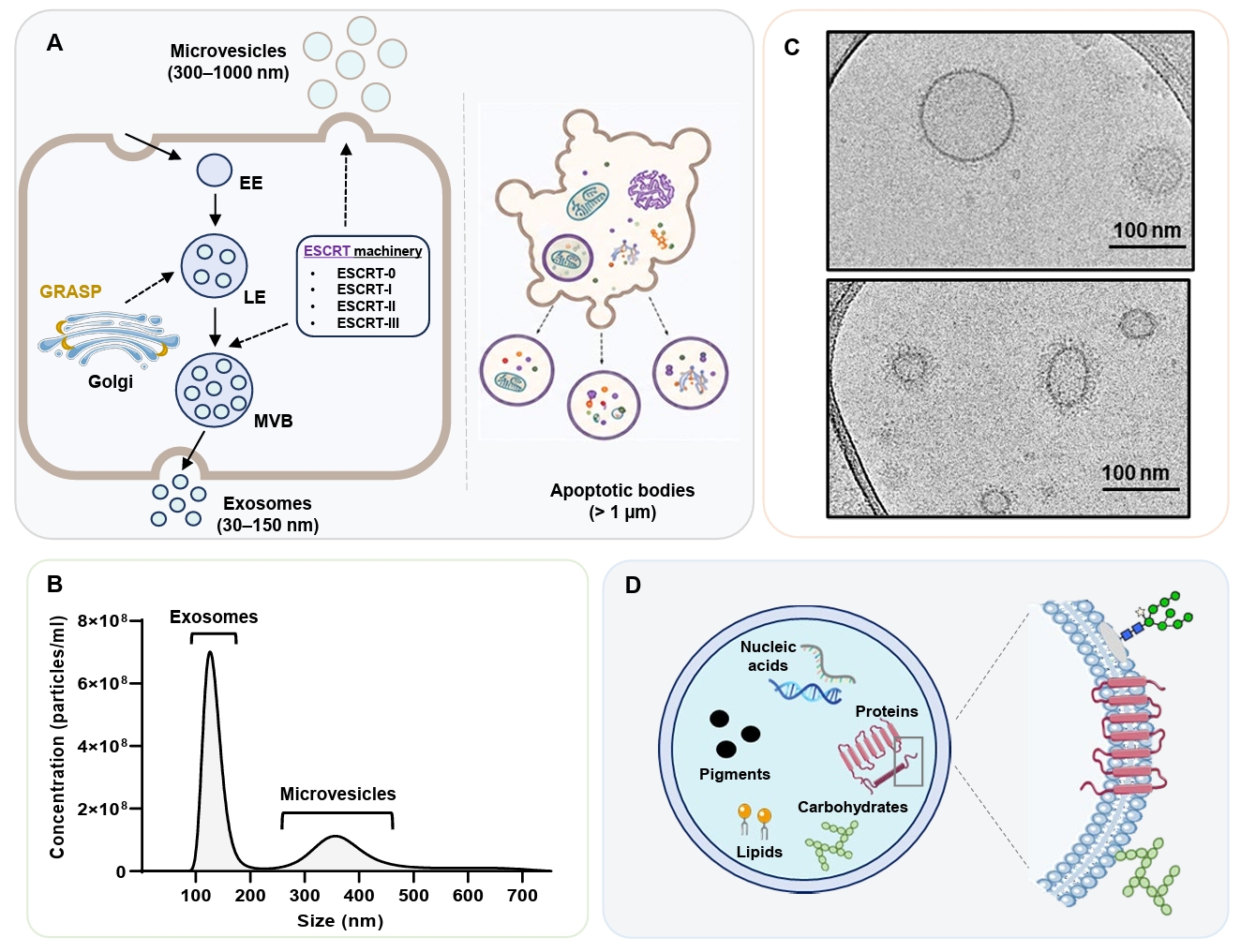
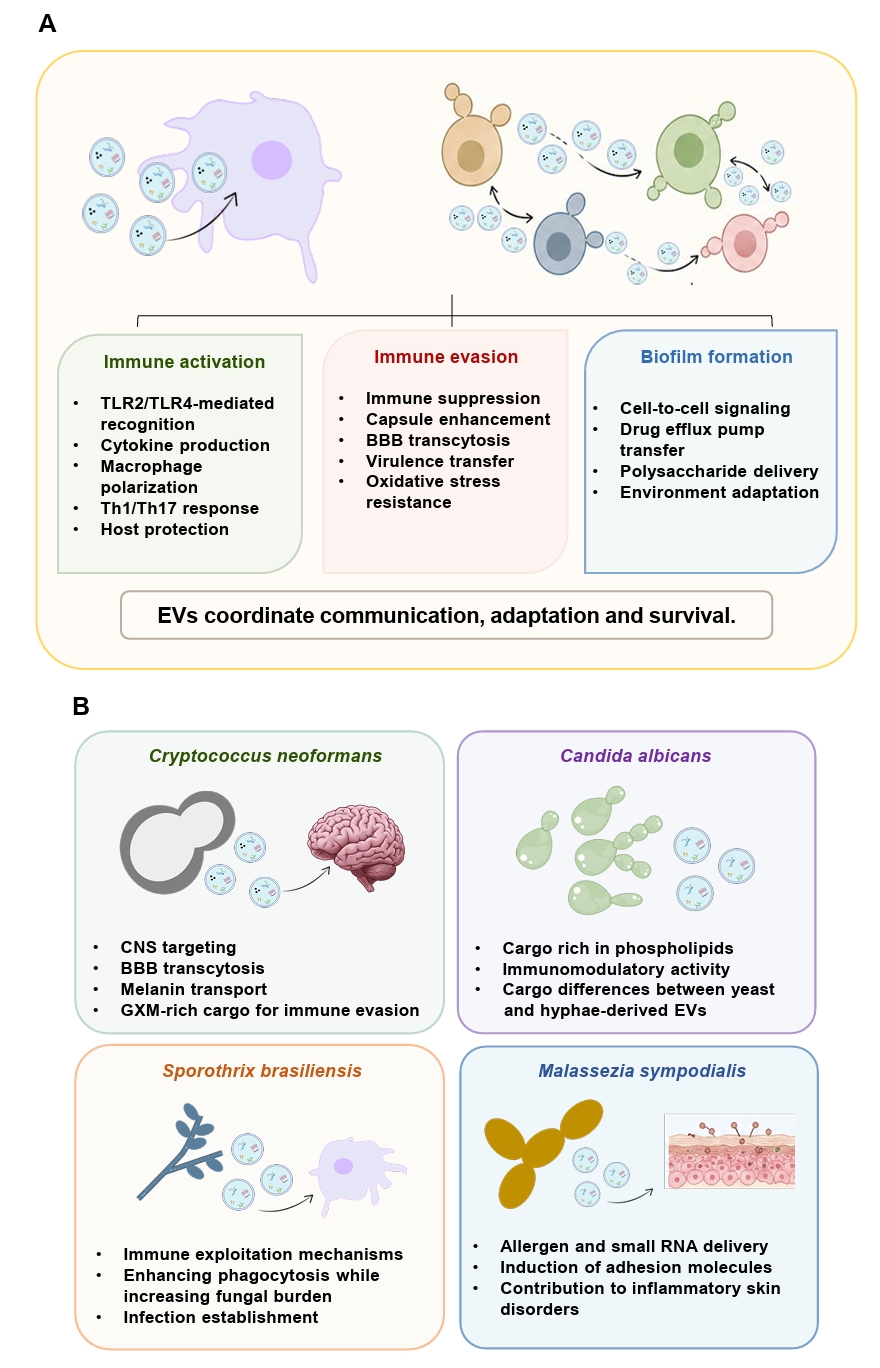
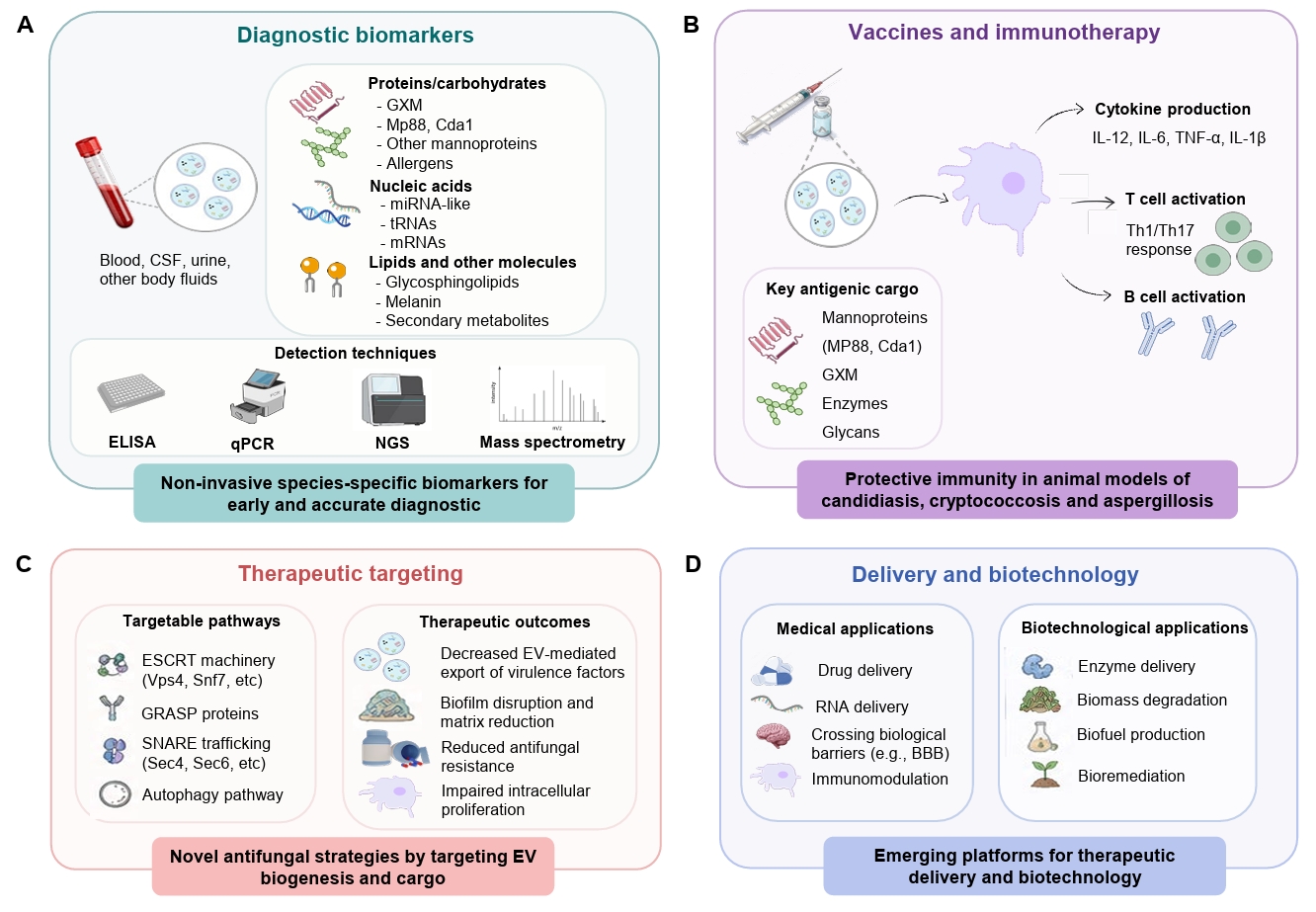
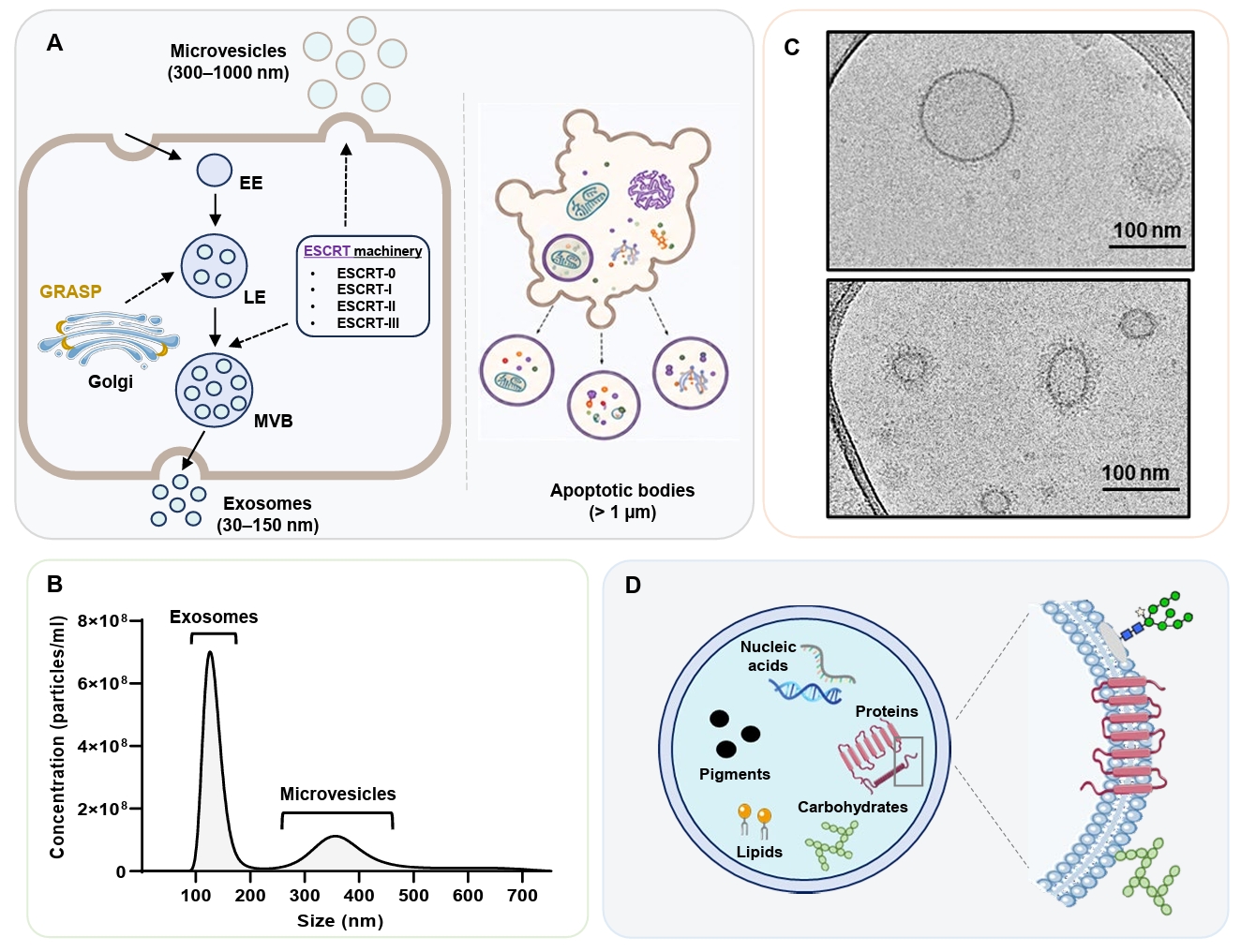
Fig. 1.
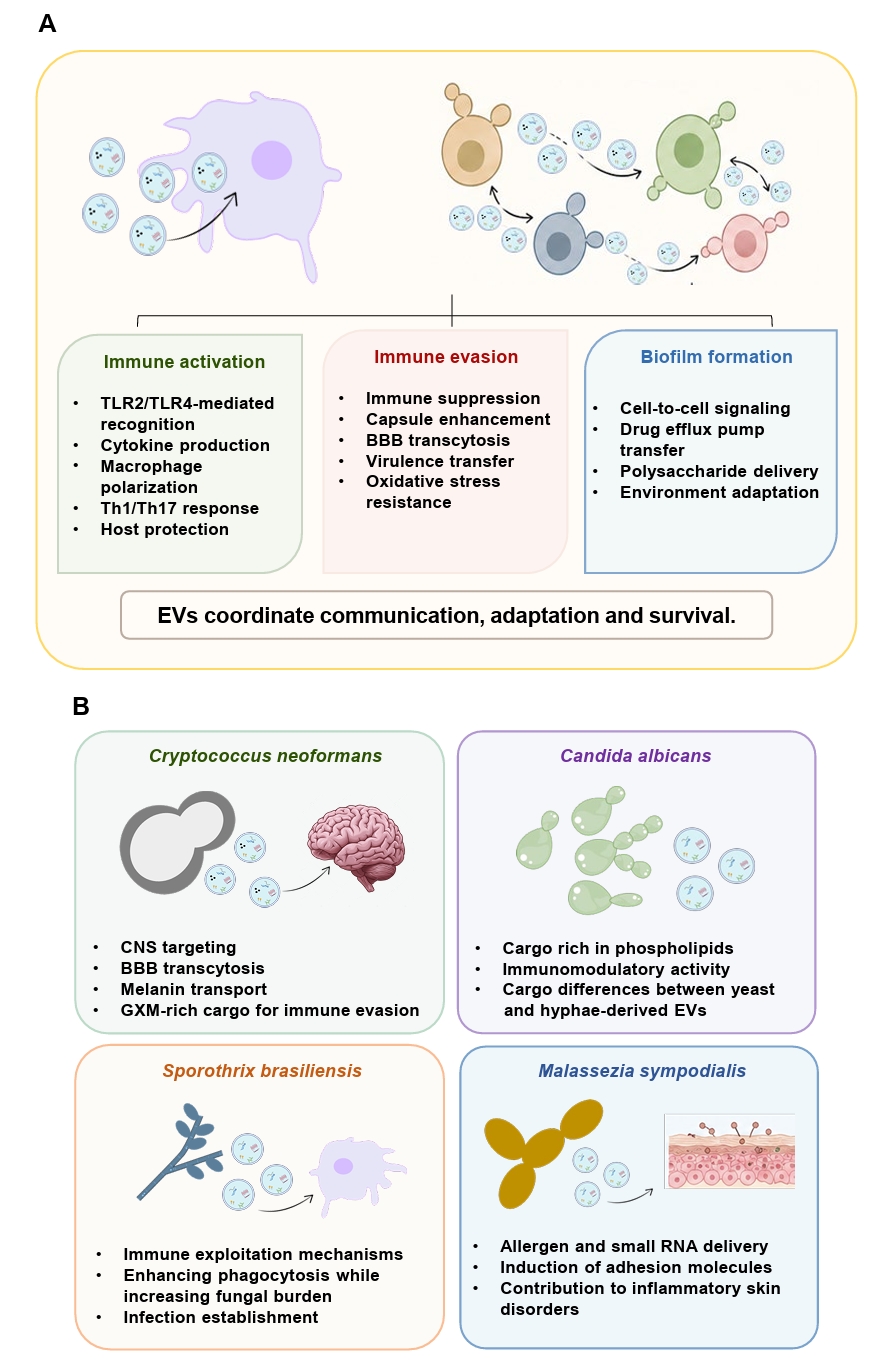
Fig. 2.
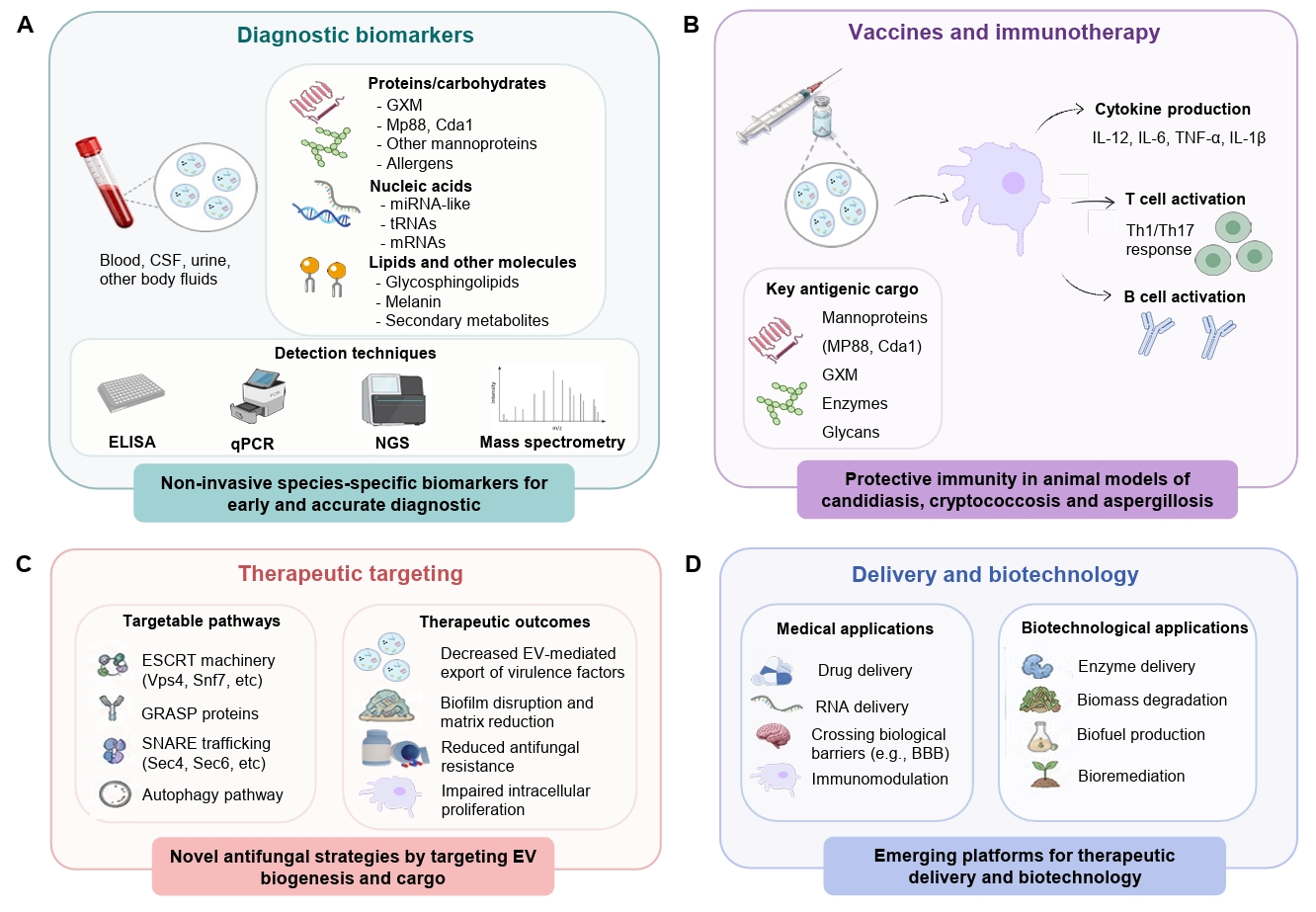
Fig. 3.
| Species | First report | Pathogen type (infection site) | Key EV cargo | Key references |
|---|---|---|---|---|
| Cryptococcus neoformans | 2007 | Opportunistic capsular yeast (Lung, CNS) | GXM, mannoprotein fibrillar coat, SUR7/PalI-family proteins, glyoxal oxidases, chitin deacetylases (CDAs), glucan-remodeling enzymes, virulence-associated enzymes, and immunogenic surface antigens | |
| Candida albicans | 2008 | Commensal and opportunistic yeast (Mucosal surfaces, blood stream) | Cell wall-remodeling enzymes, Sur7 family proteins, Cdr1/Cdr2 drug-efflux pumps, Plb3 phospholipase, Prd1 proteinase, matrix glucan, and mannan | |
| Histoplasma capsulatum | 2008 | Dimorphic fungus (Lung) | Superoxide dismutase (SOD), catalase B, glucanases, endochitinases, stress-response RNAs, and lipid-remodeling cargo | |
| Paracoccidioides brasiliensis | 2011 | Dimorphic fungus (Lung) | Polysaccharides, α-galactopyranosyl epitopes, lipid species, and regulatory small RNAs | |
| Malassezia sympodialis | 2011 | Lipophilic commensal yeast (Skin) | Allergens, small RNAs, and inflammatory mediators that induce keratinocyte adhesion molecules and cytokine signaling | |
| Cryptococcus gattii | 2018 | Capsular yeast (Lung, CNS) | SUR7/PalI-family proteins, CDA-family proteins, glyoxal oxidases, ferrioxidases, and immunogenic antigens associated with vaccine potential | |
| Sporothrix brasiliensis | 2018 | Dimorphic fungus (Skin) | Immunomodulatory molecules | |
| Aspergillus fumigatus | 2019 | Filamentous opportunistic fungus (Lung) | Lipid metabolism proteins, cell wall-biosynthesis enzymes, and pathogenicity-associated proteins | |
| Candidozyma auris | 2021 | Emerging multidrug-resistant yeast (Blood stream) | Adhesion proteins, neutral lipids, small RNAs, and antifungal resistance-associated cargo | |
| Fonsecaea pedrosoi | 2022 | Dimorphic fungus (Skin) | Sterol and immunomodulatory molecules | |
| Fonsecaea nubica | 2022 | Dimorphic fungus (Skin) | Sterol and immunomodulatory molecules | |
| Candidozyma haemulonii | 2025 | Emerging multidrug-resistant yeast (Blood stream) | Proteasome components, glycolytic enzymes, fatty acid metabolism proteins, and miRNA-like molecules |
| Application | Species | Evidence level | Key outcomes | Main limitations | Key references |
|---|---|---|---|---|---|
| Diagnostic biomarkers | C. neoformans | Patient sera/in vitro | EVs recognized by patient sera; enriched disease-relevant antigens support biomarker potential | Not validated in clinical diagnostic setting; sensitivity/specificity vs. existing assays unknown | |
| M. sympodialis | In vitro | EV allergens proposed as biomarkers for atopic dermatitis | Proof-of-concept only; clinical validation pending | ||
| Multiple species | In vitro | Species-specific EV RNA profiles identified; selective enrichment supports discrimination potential | Highly exploratory; stability in patient fluids uncharacterized | ||
| Vaccine/Immunotherapy | C. albicans | Mouse model | EV immunization induces IgG, reduces fungal burden and confers protection; adjuvant use shifts cytokine profile | Murine model only; optimal antigen/adjuvant formulation undefined; immunization schedule not standardized | |
| C. neoformans | Mouse model | EV immunization prolongs survival; acapsular mutant-derived EVs confer better protection, suggesting EV surface composition shapes vaccine efficacy | Mechanistic basis of protection not fully defined; no patient-derived validation | ||
| Aspergillus spp. | Mouse model/G. mellonella | EV pretreatment improves survival in mouse and G. mellonella infection models | Protective antigen identity incompletely defined; limited mechanism and dose-response data | ||
| P. brasiliensis | Mouse model | EVs induce protective Th1-mediated response in murine infection models | Single pathogen model; cross-protection against related species not assessed | ||
| T. marneffei | In vitro | EVs induce inflammatory signaling associated with downstream T-cell activation | In vivo data not reported yet | ||
| Therapeutic target | C. gattii | In vitro | Hypervirulent strain EVs trigger intracellular proliferation of less virulent strains | No therapeutic target defined so far; in vivo relevance untested | |
| Drug delivery vehicles | Cross-species | Conceptual/early in vitro | Natural barrier crossing properties proposed as basis for delivery | Fungal EV engineering at very early stage; no demonstrated target delivery; in vivo safety not assessed |
Table 1.
Table 2.
TOP


